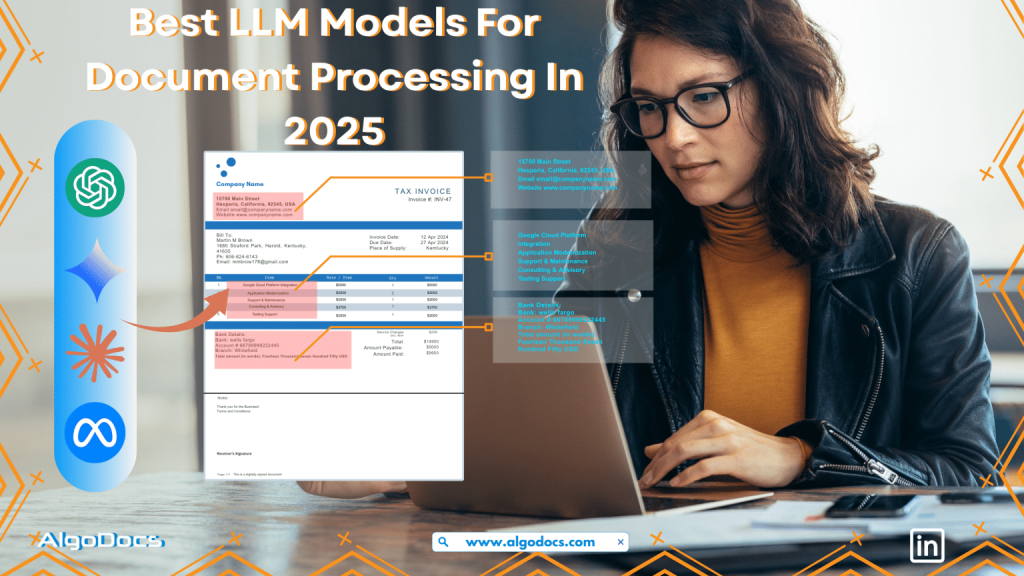
Best LLM Models for Document Processing in 2025
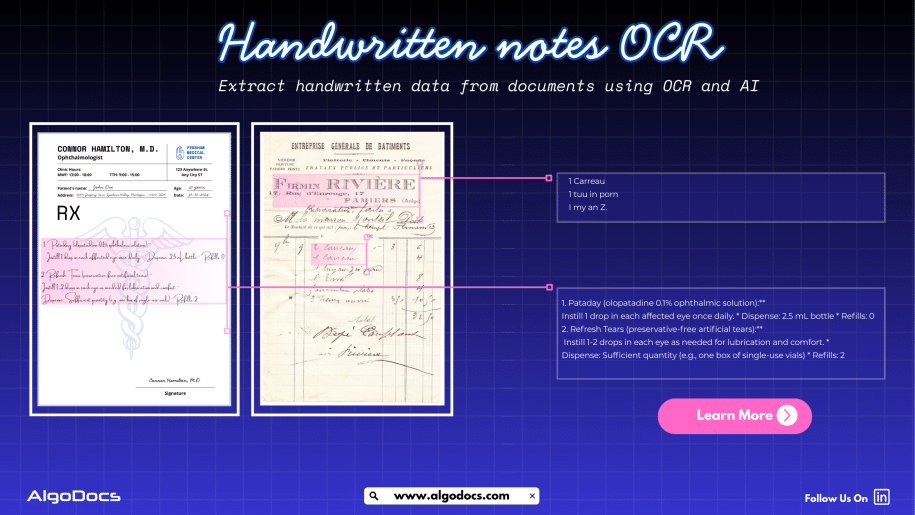
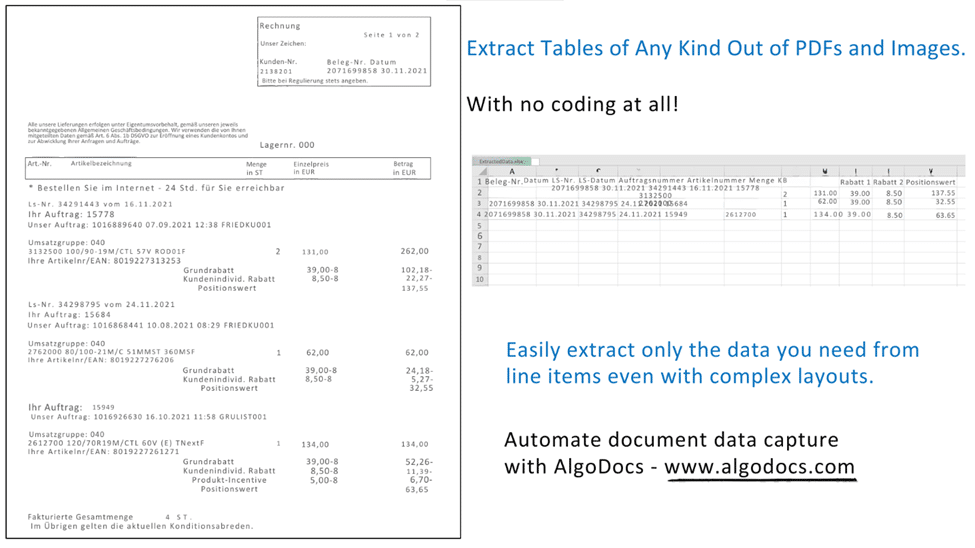
Back to Blog Table of contents On this page Best LLM Models for Document Processing in 2025 Home › Blog › Algodocs › Best LLM Models for Document Processing in 2025 Categories Algodocs By Shubhankar Biswas Published September 1, 2025, 07:11 Updated July 21, 2026, 05:34 Modern businesses run on data. And when it comes to extracting valuable data from PDFs, scanned images, handwritten notes, etc., the task becomes harder. However, with the evolution of technologies like OCR, LLM and intelligent document processing, this task has become faster and more accurate. LLM models for document processing and automation has not only improved the quality of data extracted but also streamlined the entire process with your existing business tools. While enterprise-level data extraction solutions already exist, there’s one new technology that is also emerging and gaining attention in document processing: AI (Artificial Intelligence) and LLMs (Large Language Models). One of the most popular LLMs is ChatGPT, developed by OpenAI, which has inspired several other companies to launch their own LLMs for public use. But when it comes to document processing and extracting data from various formats such as PDFs, scanned images, handwritten notes, invoices, bills, or even personal notes, do these models actually stand up to the hype? In this blog, we’ll talk about the top commercially available LLM models you can use for document processing, the types of documents they support, and what kind of data they can extract. We’ll also go through the pros and cons of using LLMs for document processing and how they compare with OCR and IDP technologies. But before we jump to the best LLMs for document processing, let’s understand what an LLM is. What is an LLM model? An LLM, or Large Language Model, is an artificial intelligence program that is trained on huge datasets to generate text, create images, write code, and automate various tasks. LLMs are built using neural networks that learn patterns in language and data to understand, predict, and perform specific actions. In simple terms, you can think of LLMs as bots that can automate tasks like document processing and data extraction. However, they do have limitations and are not always reliable when it comes to complex or robust data extraction tasks, which we’ll cover in detail in this blog. What is an LLM for Document Processing? LLM for document processing refers to using large language models to extract data from various types of documents such as invoice, bills, insurance documents, purchase orders etc. There are no LLMs tools built specifically for document processing, but several commercial models such as ChatGPT, Gemini and others have decent capabilities when it comes to extracting data from structured and basic document layouts. Why Use an LLM for Document Processing? LLMs available commercially can be useful when you want to extract data from simple document layouts or if the number of documents is small. For example, if you want to use a tool like ChatGPT, Claude, Gemini, or any other LLM platform available to the public, you can easily use them to perform light document processing tasks. They can help summarize PDF documents or extract specific data from the file. However, the main drawback is that LLMs don’t perform well when it comes to structured, unstructured, or complex documents. Compared to native document processing tools, LLMs offer limited features and flexibility. Top LLM Models for Document Processing in 2025 The answer depends on your specific requirements. Some of the most commonly available commercial LLM models for document processing include ChatGPT, Gemini, Copilot, Claude, Gork, and Llama 3. However, there are several other large language models in the market that can also be used for document processing. Let’s break down the features, pros, and cons of these LLM models for document processing. 1. OpenAI GPT-4 Turbo GPT-4 by OpenAI (ChatGPT) is one of the most widely used commercial LLMs for document processing. Its accuracy, speed, and ease of use make it a strong contender. OpenAI provides both free and paid versions depending on the type of data you want to extract from the document. Features: Supports multi-turn document interaction High accuracy in data extraction and summarization Can extract data from PDFs, scanned images (partially), and document files Pros: Easy to use Can be integrated with third-party platforms High data accuracy Cons: High computational cost Requires fine-tuning for domain-specific documents Limited capabilities with complex layouts and blurry images Pricing: $20/month, Free Plan Available 2. Claude 3 by Anthropic Claude is another LLM that performs well when it comes to extracting data from documents. However, it is not as powerful as ChatGPT. It supports PDFs, DOCs, and TXT files but does not support data extraction from image-based PDFs. Features: Strong contextual understanding and summarization abilities Pros: Excellent for regulatory and compliance document analysis Cons: Limited file size (30MB) Tends to hallucinate with poor-quality or disorganized documents Pricing: $17/month, Free Trial Available 3. Google Gemini Pro Gemini by Google (formerly Bard) is another promising LLM you can use for document processing. Features: Integrates natively with Google Workspace Pros: Excellent multilingual support Can extract data from PDFs, DOCs, and scanned images Cons: Poor performance with complex PDFs or blurry image files Limited pricing transparency Vendor lock-in with Google Cloud Pricing: Starts at $22/month, Free Plan Available 4. LLaMA 3 by Meta LLaMA is an open-source LLM developed by Meta and released in 2023. It can handle PDFs, DOCs, and scanned files fairly well. However, it still struggles with complex layouts and blurry images. Features: Open-source with no usage restrictions Available in various model sizes Pros: Flexible deployment options Strong community support Cons: Not as robust as ChatGPT or Gemini May produce hallucinations during complex document tasks Pricing: Available for free How to Choose the Right LLM for Document Processing There are several LLMs that you can choose from. Make sure to check the following parameters: 1. Document Type and ComplexityStructured documents are easy for LLMs to extract data from. However, scanned PDFs and complex layouts like medical bills or invoices are still difficult. Most LLMs are