
Algodocs

passport data extraction

extract data from passport
Data Extraction

Extract Data from Passport: A Complete Guide on How to Extract Data with Algodocs Passport OCR

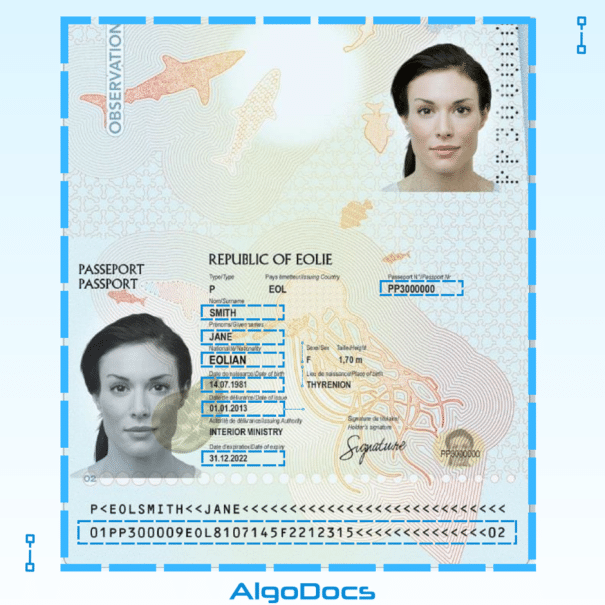
Back to Blog Table of contents On this page Extract Data from Passport: A Complete Guide on How to Extract Data with Algodocs Passport OCR Home › Blog › Data Extraction › Extract Data from Passport: A Complete Guide on How to Extract Data with Algodocs Passport OCR Categories Data Extraction Tags algodocs ocr api passport data extraction By Shubhankar Biswas Published October 12, 2025, 19:08 Updated July 20, 2026, 04:38 Extracting Data from Passports: How To Streamline Travel Document Processing With AI Introduction Passports are essential documents used worldwide for identification and travel purposes. They contain critical personal information such as the holder’s name, date of birth, nationality, and passport number. Extracting data from passport manually can be time-consuming and prone to human error, especially when handling large volumes of documents. Industries like travel, finance, and government services have to process huge numbers of travel and passport documents for various tasks. Fortunately, advancements in optical character recognition (OCR) technology and the invention of AI and ML models now allow for the seamless and accurate extraction of passport data. This blog delves into the various aspects of extracting data from passports, highlighting the benefits of passport OCR apps like Algodocs AI passport OCR and their applications across industries. What Is a Passport OCR App & How it Helps With Passport Data Extraction? A passport OCR app is a software application built to automate the extraction of data from passports. These apps rely on OCR and advanced AI or ML technologies to identify, read, and process printed text and MRZ codes. Key Features of Passport OCR Apps: Extract information from MRZ, VIZ, and embedded chips. Support for multiple languages and document formats. Integration capabilities with enterprise systems like CRMs, ERPs, or KYC software. Secure handling of sensitive data with encryption. For example, Algodocs, a leading passport OCR solution, allows businesses to quickly extract and organize passport data in formats such as Excel, JSON, or XML. How Passport OCR Works Passport OCR apps work in several steps to ensure accurate and efficient data extraction: Image Capture: The user uploads a scanned passport image or captures a photo using a smartphone or camera. Image Preprocessing: The software enhances the image by correcting skew, adjusting brightness and contrast, and removing unnecessary noise to improve text recognition. Text Recognition: The OCR engine identifies characters, numbers, and symbols in the MRZ and VIZ. Data Structuring: Extracted information is organized into fields (e.g., name, nationality, passport number) and exported in a user-friendly format. Validation: Advanced algorithms validate the extracted data for accuracy and completeness. Some advanced passport OCR apps also support language detection, integration with APIs, and real-time processing for large-scale operations. Methods of Data Extraction from Passport – Manual vs. OCR Manual Data Extraction In manual extraction, staff members physically review the passport and type the data into a system. While this method might seem straightforward, it is fraught with challenges: Time-Consuming: Processing even a few passports can take hours, especially in high-volume industries like immigration or banking. Error-Prone: Manual entry is susceptible to errors like typos, misinterpretation of characters, and oversight of critical details. Costly: Hiring and training employees for this task adds operational costs. Data Security Risks: Handling sensitive personal information manually increases the risk of data breaches. Automated Passport Data Extraction with OCR OCR technology automates data extraction by scanning the document, recognizing the text, and converting it into a digital format. OCR tools are designed to handle structured text, such as the MRZ, with high accuracy and speed. Key benefits include: Faster processing times. Reduced error rates. Ability to scale for large data volumes. Challenges with manually extracting data from passport documents Extracting data from scanned passport documents by hand can be very challenging. One big problem is that it takes a lot of time. Even if you are working on just one passport, manually copying the information is a slow process. But with OCR (Optical Character Recognition) and AI technology, this job can be done in just a few minutes. Another issue with manual data extraction is that it is not always accurate. People can easily make mistakes when typing out the details. In comparison, a passport OCR app can quickly and correctly extract data from many passports without any errors. Manual methods also need a lot of human effort, which makes it more expensive. Companies need to spend money on training staff and managing the work. On the other hand, OCR tools don’t need much human involvement. Once set up, the tool can handle multiple passports on its own, saving both time and money. Using OCR technology is faster, more accurate, and much more efficient than doing the job manually. It’s a simple solution to a complicated problem! Why Choose a Passport OCR App Like Algodocs Over Manual Data Extraction Manual data entry is becoming obsolete as businesses recognize the efficiency of automated solutions. Choosing a reliable passport OCR app like Algodocs offers numerous advantages: Benefits of Passport OCR Apps Efficiency:Passport OCR apps can process passport data within seconds, saving a lot of time. This helps businesses complete tasks faster and improve overall efficiency. Accuracy:OCR tools use advanced technology to ensure precise data extraction. Unlike manual methods, which often lead to errors and missing information, OCR apps extract all the data accurately and without losing any important details. Cost Savings:Automating data extraction with OCR reduces the need for hiring extra staff, lowering operational costs. An OCR app can handle multiple passports at once, while manual processes require more employees to manage the same amount of work. Scalability:OCR apps can process large numbers of documents quickly, making them perfect for industries like travel, banking, and any business that handles a lot of data. Manual methods struggle to scale, as they require more hiring, training, and management, which increases costs and adds complications. Data Security:Modern OCR apps come with encryption and secure storage features to protect sensitive information. This makes them safer than manual data extraction, which can be more prone to risks like data theft and misuse. Why Choose Algodocs? User-Friendly Interface: Algodocs is intuitive and easy to use, even for non-technical users. You
bill of lading, intelligent document processing, passport, PDF

Bank Statement Extraction: How To Revolutionize Financial Data Management with AlgoDocs AI

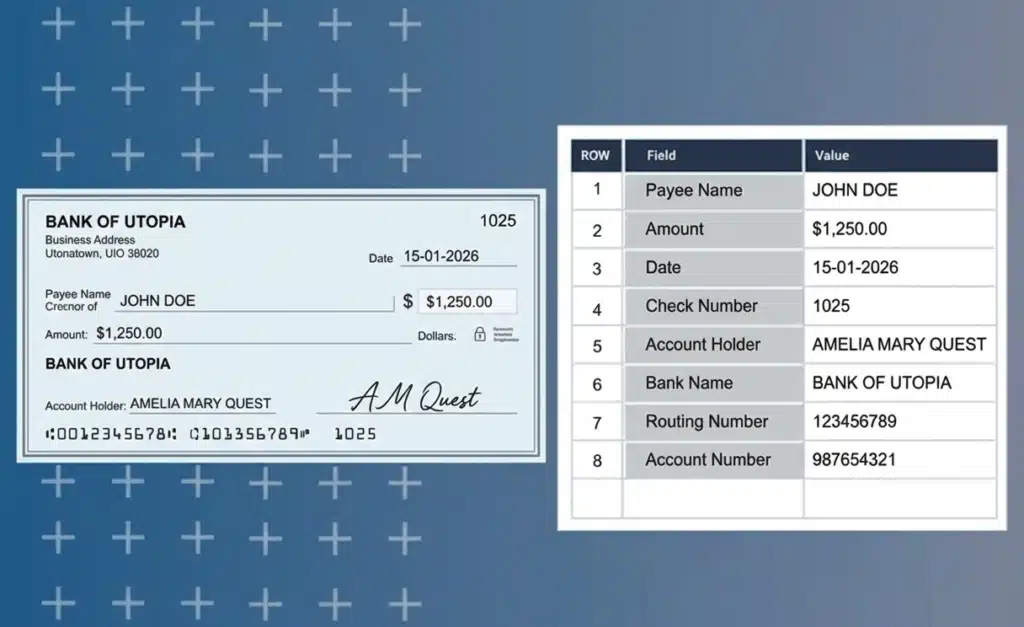
Back to Blog Table of contents On this page Bank Statement Extraction: How To Revolutionize Financial Data Management with AlgoDocs AI Home › Blog › bill of lading › Bank Statement Extraction: How To Revolutionize Financial Data Management with AlgoDocs AI Categories bill of lading intelligent document processing passport PDF Tags agentic ai Invoice Data Extraction passport data extraction pdf to text Purchase Order OCR By Ibrahim Nalbant Published December 31, 2024, 11:13 Updated June 25, 2025, 16:52 Introduction In today’s world, managing financial data quickly and accurately is very important. One task that takes a lot of time is bank statement extraction. Thanks to technology, especially Optical Character Recognition (OCR), and more advanced technology like Intelligent Document Processing (IDP) and AI, this job has become much easier. This blog will explain what bank statement extraction is, why it’s needed, the challenges it presents, and the best tools for the job. We’ll also discuss how AlgoDocs’ Intelligent Document Processing (IDP) tool can make extracting bank statement data easier and more convenient. What is a Bank Statement? A bank statement is a record of all the financial transactions that have occurred in a bank account over a specific period. These bank statements can be personal or corporate financial statements. They provide a detailed overview of all the deposits, withdrawals, and other activities that have impacted the account’s balance. This includes transactions like cash deposits and withdrawals, checks written and cleared, electronic transfers, ATM withdrawals, and even interest earned or fees charged. Essentially, it’s a comprehensive summary of the account’s financial activity, allowing account holders to track their spending, monitor their income, and identify any discrepancies or unauthorized transactions. What is Bank Statement Data Extraction? Bank statement data extraction means extracting data from bank statements. These bank statements can be in PDF files, Excel files, or scanned documents. In a bank statement or a standard financial document, you will find data such as transaction details, account balances, dates, amounts, account holder names, tax details, etc. If you want to extract data from a bank statement, you can either choose the manual data extraction method or pick an online financial data extraction tool to get the job done. However, manual data extraction takes a lot of time and is prone to errors, which can create more problems. That’s why businesses these days often use bank statement OCR to make data extraction easy and effective. Why Bank Statement Extraction is Needed Many businesses handle a large number of financial receipts, bank statements, and financial records as part of their daily operations. Extracting and organizing this vast amount of data can be a challenging task. Here are some key reasons why bank statement extraction is essential: Financial Analysis: Extracting data from bank statements allows businesses to understand their spending patterns, income sources, and overall financial activities. This analysis helps in making informed financial decisions, budgeting, and forecasting future financial needs. Bookkeeping and Accounting: Accurate data extraction simplifies the bookkeeping and accounting processes. By having organized and structured financial data, businesses can maintain accurate records and easily reconcile transactions, ensuring that their financial books are always up-to-date. Audit and Compliance: Extracting data from bank statements is crucial for meeting legal requirements and ensuring transparency in financial reporting. During audits, having organized data makes it easier to demonstrate compliance with financial regulations and standards, such as those set by tax authorities. Fraud Detection: Monitoring financial transactions through data extraction helps in detecting and preventing fraudulent activities. By analyzing bank statement data, businesses can identify suspicious patterns or unauthorized transactions, allowing them to take timely action to mitigate risks. Which Industries Require Bank Statement Extraction Many industries require efficient bank statement extraction, including: Banking and Finance: This industry relies heavily on bank statement extraction for monitoring transactions, processing loans, and managing accounts. Efficient data extraction helps in maintaining accurate records and ensuring compliance with financial regulations. Accounting Firms: Accounting firms use bank statement extraction to prepare financial statements and provide tax services. Accurate data extraction simplifies the accounting process, making it easier to maintain precise financial records and ensure timely tax compliance. Legal Firms: Legal firms need bank statement extraction for forensic accounting and legal support. Extracted data can be crucial in investigating financial discrepancies, supporting legal cases, and providing accurate financial evidence in court. Healthcare: The healthcare industry uses bank statement extraction for handling payments and processing insurance claims. Efficient data extraction helps in managing patient billing, ensuring accurate insurance claim processing, and maintaining financial transparency. E-commerce and Retail: E-commerce and retail businesses rely on bank statement extraction to manage cash flow and vendor payments. Extracted financial data helps in monitoring sales transactions, managing expenses, and ensuring timely payments to suppliers. Challenges with Manual Bank Statement Extraction Manually extracting data from bank statements has several problems: Time-Consuming: Entering data manually is time-consuming. Extracting data from each sheet of a bank statement requires significant time for analysis and capture, making the process even more cumbersome. Error-Prone: Human errors can lead to inaccurate records. Manual data extraction is prone to mistakes, as human eyes can’t always interpret everything correctly. This can result in serious consequences, such as data extraction errors, missed valuable data, and other issues. High Costs: Manual data extraction is costly because it requires employing more personnel to extract data from documents. This ultimately increases the operational costs for the company. Scalability Issues: With manual data extraction, you can’t adjust the number of personnel based on requirements. Therefore, scalability options with manual data extraction are very limited. Data Security: When your data is exposed to human intervention, there is a risk that it can be misused for illegal activities. Bank statement data is very sensitive, and exposure to the wrong hands can lead to serious trouble for individuals or organizations. What is a Bank Statement OCR? Optical Character Recognition (OCR) is a technology that converts various types of documents, such as scanned papers, PDFs, or images, into editable and searchable data. A bank statement OCR specifically

Scroll to Top