Algodocs

bill of lading

Processing bills of lading without manual data entry. These guides walk through the fields that matter in shipping documents and show how intelligent document processing cuts the paperwork bottleneck in logistics operations.
bill of lading

How Algodocs enhances bill of lading processing

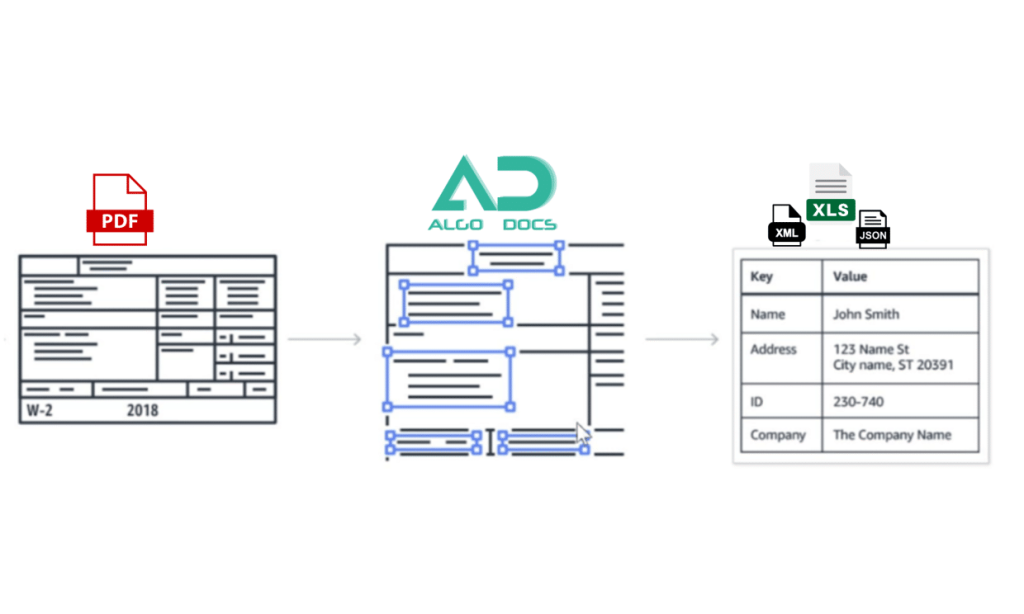
Back to Blog Table of contents On this page How Algodocs enhances bill of lading processing Home › Blog › bill of lading › How Algodocs enhances bill of lading processing Categories bill of lading Tags ai platform for data extraction algodocs Bill of Lading data extraction from images ocr api web-based ai platform for data extraction By Shubhankar Biswas Published October 13, 2025, 12:24 Updated July 23, 2026, 07:35 A bill of lading, shortened as BL or BoL, is a legal document given by a carrier (a company that provides transportation) to the shipper. It outlines the particulars of the goods being transported, including the kind, quantity, and destination of the goods. In addition, a bill of lading functions as a shipping receipt when the carrier finalizes the delivery of the goods after a given destination. This document must accompany the shipped products, no matter the form of transportation, and must be signed by an authorized representative from the carrier, shipper, and receiver. What Is the Purpose of a Bill of Lading? A bill of lading has three primary purposes. First, it is a document of title to the goods described in the bill of lading. Second, it is a receipt for the shipped products. Finally, it represents the agreed terms and conditions for the transportation and eventual release of the shipped goods. What Is in A Bill of Lading? Typically, a bill of lading will include the names and addresses of the shipper (consignor) and the receiver (consignee), shipment date, quantity, exact weight, value, and freight classification. Also included is a complete description of the items, including whether they are classified as hazardous, the type of packaging used, any specific instructions for the carrier, and any special-order tracking numbers. Why Is a Bill of Lading Important? A bill of lading is a legally binding document. The carrier and the shipper are given all the essential details to help them process a shipment correctly. Hence, it can be used in litigation if the situation requires it. The parties to it will be highly knowledgeable about the document as required by the law to ensure that there is no compromise in the safety and security of your goods. A bill of lading is undisputed proof of shipment. Furthermore, it allows for segregating duties, a vital part of a firm’s internal control structure, to prevent theft. Different Types of Bills of Lading Some of the most common include: Inland bill of lading Ocean bill of lading Through bill of lading Negotiable bill of lading Uniform bill of lading Challenges With Manual Processing Some of the known challenges are: Logistics companies are confronted with vast volumes of data through files in document form, such as invoices, airline bills, price lists, HR forms and payrolls, customs forms, and so on. Manual data management is time-consuming and error-prone. Human data entry errors can lead to costly consequences. Implementing Intelligent Document Processing (IDP) Much of the information needed to execute logistics and supply chain operations is manually extracted from data sources such as the Bill of Lading. Automating the processing of instructions for the Bill of Lading proves to be crucial in increasing back-office productivity and, consequently, improving customer service performance. If traditionally conducting these activities by manually copying and pasting data carries the risk of errors and is an obstacle to maximizing operational efficiency, the value of automation must be highlighted. Benefits Of Intelligent Document Processing (IDP) Accuracy: AI-driven IDP has the advantage of minimizing human factors and error occurrence, which in return produces more quality. Continuous Learning: AI models can learn from humans, thus enabling them to get better results even without human assistance. Cost Savings: Laboratory test costs decrease when data is not appropriately edited, prevented by IDP. Data Extraction: IDP excels in extracting names, dates, addresses, and amounts from BoLs. Quality Assurance: Human interaction ensures precision modeling. Guaranteed Quality: The IDP introduced AI computing and on-demand data collection to achieve valid results. CASE STUDY Imagine XYZ company, which is a logistics firm. It receives the shipment. The manager determines the type and amount of goods that need to be ordered. They then fill out a purchase order (PO), and XYZ’s owner reviews and initials each PO before it is emailed to the vendor. The vendor gathers the orders and signs a bill of lading along with a representative from the overnight carrier. The forwarder then supplies products to the ship and provides the invoice to the manager, who compares the bill of lading details with what was mentioned on the PO. If the information matches, the PO and the bill of lading are sent to the owner, who reviews the documents and writes a check payable to the vendor. Fields That Can Be Extracted: OT PRO Number Consignee City Consignee State Consignee Zip Total Weight Handling Unit Description The list goes on and on. Example of extract data output: Enhancing Accuracy with Automated Data Extraction Algodocs can extract data automatically from the Bills of Lading. This step dramatically improves efficiency and offers new prospects for success in logistics. Applying Algodocs to the Bill of Lading allows the necessary data to be automatically extracted from the PDFs and images of the handwritten document received from the carrier and a new document structure from the Bill of Lading to be created quickly, eliminating the need for repetitive and error-prone manual work. Improving Efficiency with Algodocs AI Algorithms Bill of Lading instructions are often accompanied by various documents in different formats, as each company chooses the format best suited to its needs when sending instructions to the carrier. Algodocs represents a breakthrough in managing Bill of Lading data extraction because Algodocs AI algorithms process text recognition; this process not only speeds up processing but also minimizes the possibility of errors. KEY TAKEAWAYS Algodocs is a potent system that combines OCR, NLP, and ML technologies to provide a tool capable of extracting data from heterogeneous documents. It is particularly useful in creating a Bill of Lading. With Algodocs, you can automatically extract any field
bill of lading, intelligent document processing, passport, PDF

Bank Statement Extraction: How To Revolutionize Financial Data Management with AlgoDocs AI

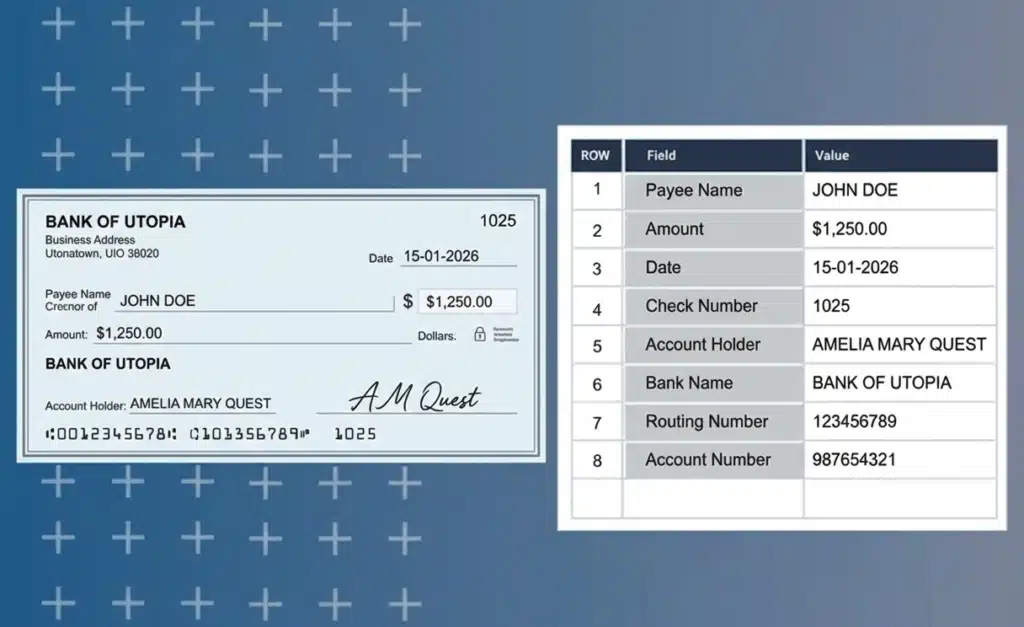
Back to Blog Table of contents On this page Bank Statement Extraction: How To Revolutionize Financial Data Management with AlgoDocs AI Home › Blog › bill of lading › Bank Statement Extraction: How To Revolutionize Financial Data Management with AlgoDocs AI Categories bill of lading intelligent document processing passport PDF Tags agentic ai Invoice Data Extraction passport data extraction pdf to text Purchase Order OCR By Ibrahim Nalbant Published December 31, 2024, 11:13 Updated June 25, 2025, 16:52 Introduction In today’s world, managing financial data quickly and accurately is very important. One task that takes a lot of time is bank statement extraction. Thanks to technology, especially Optical Character Recognition (OCR), and more advanced technology like Intelligent Document Processing (IDP) and AI, this job has become much easier. This blog will explain what bank statement extraction is, why it’s needed, the challenges it presents, and the best tools for the job. We’ll also discuss how AlgoDocs’ Intelligent Document Processing (IDP) tool can make extracting bank statement data easier and more convenient. What is a Bank Statement? A bank statement is a record of all the financial transactions that have occurred in a bank account over a specific period. These bank statements can be personal or corporate financial statements. They provide a detailed overview of all the deposits, withdrawals, and other activities that have impacted the account’s balance. This includes transactions like cash deposits and withdrawals, checks written and cleared, electronic transfers, ATM withdrawals, and even interest earned or fees charged. Essentially, it’s a comprehensive summary of the account’s financial activity, allowing account holders to track their spending, monitor their income, and identify any discrepancies or unauthorized transactions. What is Bank Statement Data Extraction? Bank statement data extraction means extracting data from bank statements. These bank statements can be in PDF files, Excel files, or scanned documents. In a bank statement or a standard financial document, you will find data such as transaction details, account balances, dates, amounts, account holder names, tax details, etc. If you want to extract data from a bank statement, you can either choose the manual data extraction method or pick an online financial data extraction tool to get the job done. However, manual data extraction takes a lot of time and is prone to errors, which can create more problems. That’s why businesses these days often use bank statement OCR to make data extraction easy and effective. Why Bank Statement Extraction is Needed Many businesses handle a large number of financial receipts, bank statements, and financial records as part of their daily operations. Extracting and organizing this vast amount of data can be a challenging task. Here are some key reasons why bank statement extraction is essential: Financial Analysis: Extracting data from bank statements allows businesses to understand their spending patterns, income sources, and overall financial activities. This analysis helps in making informed financial decisions, budgeting, and forecasting future financial needs. Bookkeeping and Accounting: Accurate data extraction simplifies the bookkeeping and accounting processes. By having organized and structured financial data, businesses can maintain accurate records and easily reconcile transactions, ensuring that their financial books are always up-to-date. Audit and Compliance: Extracting data from bank statements is crucial for meeting legal requirements and ensuring transparency in financial reporting. During audits, having organized data makes it easier to demonstrate compliance with financial regulations and standards, such as those set by tax authorities. Fraud Detection: Monitoring financial transactions through data extraction helps in detecting and preventing fraudulent activities. By analyzing bank statement data, businesses can identify suspicious patterns or unauthorized transactions, allowing them to take timely action to mitigate risks. Which Industries Require Bank Statement Extraction Many industries require efficient bank statement extraction, including: Banking and Finance: This industry relies heavily on bank statement extraction for monitoring transactions, processing loans, and managing accounts. Efficient data extraction helps in maintaining accurate records and ensuring compliance with financial regulations. Accounting Firms: Accounting firms use bank statement extraction to prepare financial statements and provide tax services. Accurate data extraction simplifies the accounting process, making it easier to maintain precise financial records and ensure timely tax compliance. Legal Firms: Legal firms need bank statement extraction for forensic accounting and legal support. Extracted data can be crucial in investigating financial discrepancies, supporting legal cases, and providing accurate financial evidence in court. Healthcare: The healthcare industry uses bank statement extraction for handling payments and processing insurance claims. Efficient data extraction helps in managing patient billing, ensuring accurate insurance claim processing, and maintaining financial transparency. E-commerce and Retail: E-commerce and retail businesses rely on bank statement extraction to manage cash flow and vendor payments. Extracted financial data helps in monitoring sales transactions, managing expenses, and ensuring timely payments to suppliers. Challenges with Manual Bank Statement Extraction Manually extracting data from bank statements has several problems: Time-Consuming: Entering data manually is time-consuming. Extracting data from each sheet of a bank statement requires significant time for analysis and capture, making the process even more cumbersome. Error-Prone: Human errors can lead to inaccurate records. Manual data extraction is prone to mistakes, as human eyes can’t always interpret everything correctly. This can result in serious consequences, such as data extraction errors, missed valuable data, and other issues. High Costs: Manual data extraction is costly because it requires employing more personnel to extract data from documents. This ultimately increases the operational costs for the company. Scalability Issues: With manual data extraction, you can’t adjust the number of personnel based on requirements. Therefore, scalability options with manual data extraction are very limited. Data Security: When your data is exposed to human intervention, there is a risk that it can be misused for illegal activities. Bank statement data is very sensitive, and exposure to the wrong hands can lead to serious trouble for individuals or organizations. What is a Bank Statement OCR? Optical Character Recognition (OCR) is a technology that converts various types of documents, such as scanned papers, PDFs, or images, into editable and searchable data. A bank statement OCR specifically

Scroll to Top